HomeGame 6
You got everything you normally get from a lang cat event, but this time it was in Leith – our actual home. It was mostly Scottish.









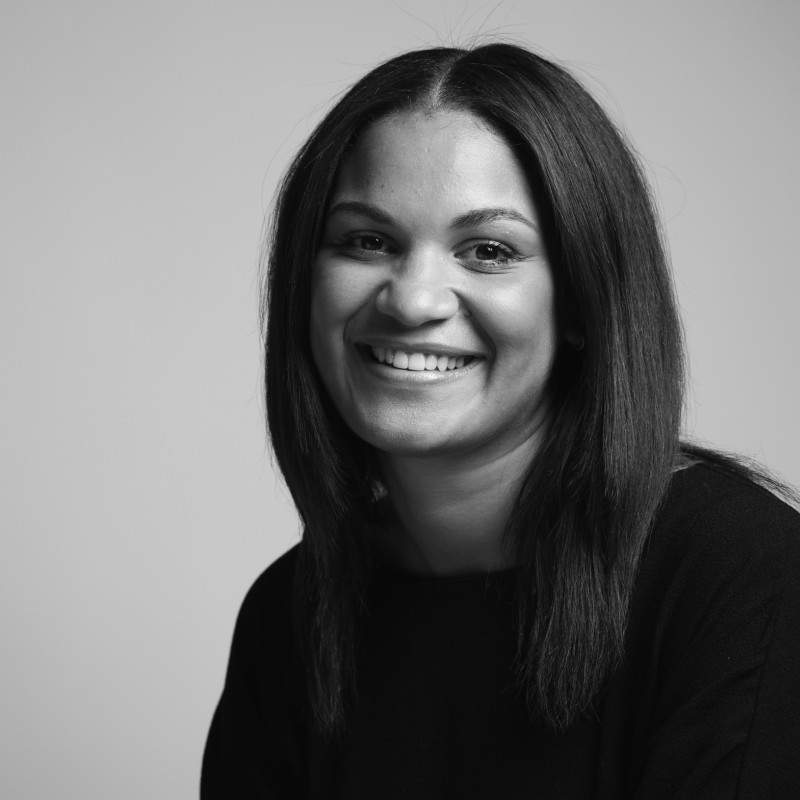
Aleah spent over ten years in financial services operations, working alongside advice tech that always did a lot, but never quite everything. She recently joined Saturn as Head of Suitability Engineering and is thrilled to be joining a team on a mission to close that gap. Saturn's AI powered approach to financial advice isn't just about efficiency, it's about democratising access, closing the advice gap, and making quality wealth planning available to those who need it most.
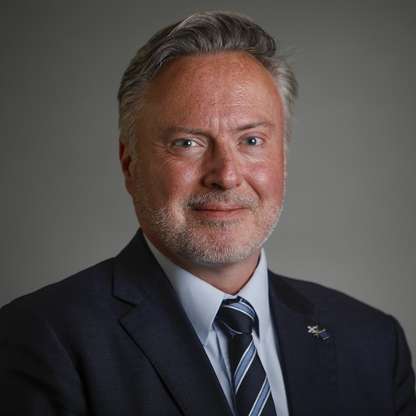
Born in Glasgow in 1973, Mr Smith grew up in Scotland and Saudi Arabia. He studied Law and European Law at Leeds University and graduated from Nottingham Law School in 1996. He also gained a Masters degree in European Studies from the College of Europe in Warsaw. After a year teaching English in India and working with Scotland Europa in Brussels, Mr Smith moved to London where he qualified as a lawyer with commercial law firm Clifford Chance. In 2000 he moved back to Scotland, working first for a legal firm in Edinburgh, and from 2002 as an adviser to Richard Lochhead MSP and the SNP Group at Holyrood on European, Justice and Business policies. He was elected to the Scottish Parliament in May 2026 for the Stirling constituency. Prior to that, he was a Member of the European Parliament for Scotland from 2004 to 2019 and a Member of the UK Parliament for Stirling from 2019 to 2024.
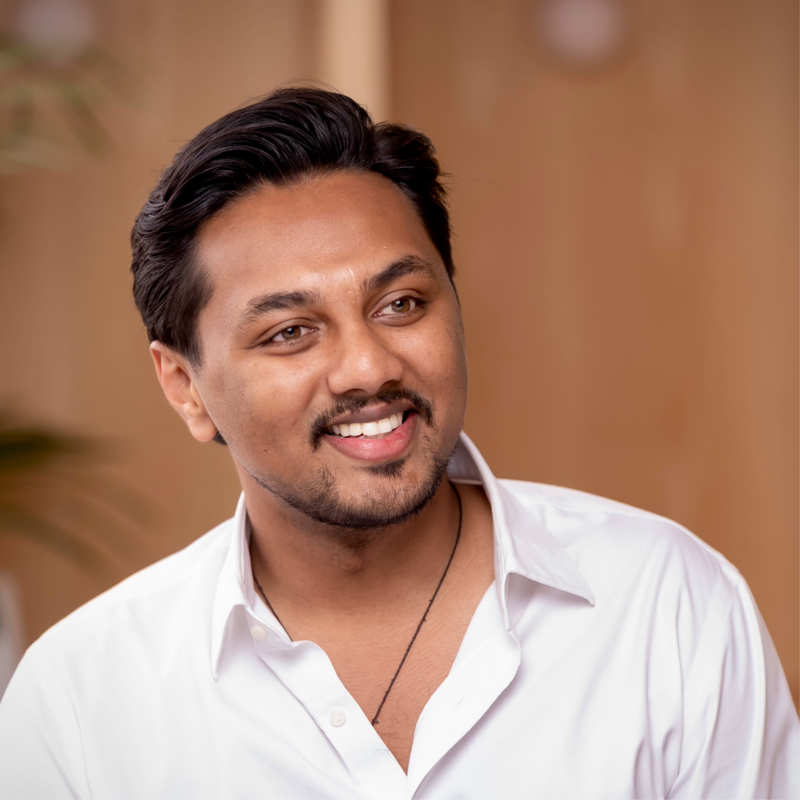
Amal Jolly, the CEO and Founder of Saturn, is a seasoned professional with expertise in product/GTM in banking, insurance, wealth/asset management, and capital markets technologies.

Brodie Gillan is an Associate Economist at the Fraser of Allander Institute, Scotland’s leading independent economic research institute. She leads the Scottish Business Monitor, speaking regularly with businesses across Scotland about the opportunities and challenges they’re facing. Her recent work has explored how businesses are adopting AI and what that might mean for the workplace. Brodie also works on employment and fiscal analysis, and runs Economics Futures, which aims to engage more young people with economics and widen access to the profession. Brodie is appearing at the invite only Aberdeen Breakfast Session.

Derek leads Product, Technology, Digital and Data at Aberdeen Adviser, where he is building the technology behind the next era of financial advice in the UK. A career technologist, Derek joined Aberdeen from Morningstar, where he was CTO of its Wealth division. At Aberdeen he is applying frontier technology — from AI and intelligent automation to deep software integration — to the problems advice firms actually face: the administrative drag on adviser time, fragmented systems, and the growing gap between the number of people who need advice and the capacity of the profession to serve them. Derek is a vocal champion of the UK's advice community, and believes technology's job is to multiply what great advisers can do — never to replace them.

Greg is a Chartered Financial Planner, with 20 years’ experience advising clients, plus a few years in agency side marketing in the middle. He set up a financial planning team at law firm WBD, before founding 11.2 Financial Planning, a boutique financial planning and multi-family office, in 2019. Away from work, he is a youth football coach, keen trail runner, reader and photographer, mainly of his dog Scout.
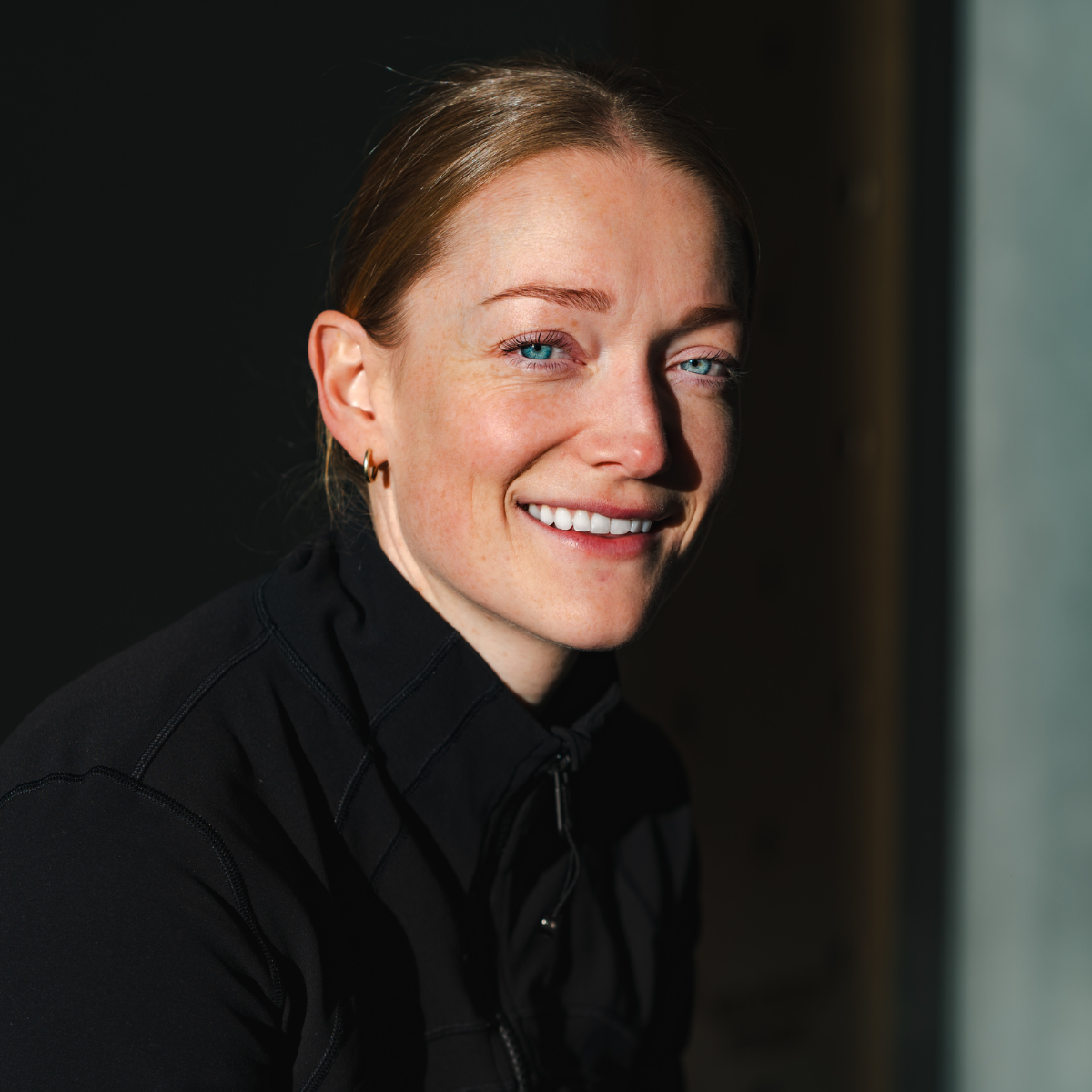
Hollie Davidson is a Scottish professional rugby union referee contracted to the Scottish Rugby Union, and one of the most groundbreaking officials in the sport’s history. A former Scotland Under-20 player who studied economic history at the University of Edinburgh before spending two years in banking which she gave up in 2017 to become Scotland’s first full-time professional female referee. Her list of firsts continues to grow. In November 2025 she became the first woman to referee an All Blacks test match, refereeing Wales vs New Zealand in Cardiff. On 14 February 2026, she became the first woman to referee a Six Nations men’s match, taking charge of Ireland v Italy in Dublin, and on 18 April 2026 she became the first woman to referee a Top 14 match, between Clermont-Auvergne and Lyon. She has also refereed two Women’s Rugby World Cup finals (2021 and 2025) — a feat matched only by South Africa’s André Watson — and in 2025 was inducted into the Scottish Rugby Hall of Fame, the same year she was named World Rugby Referee of the Year. Now firmly established as one of the game’s most respected officials, Davidson continues to break new ground with every appointment, cementing her place as one of rugby’s most influential figures on and off the pitch.

Spentwell was started by Keith Boyes – a Chartered Financial Planner with over a 18 years of industry experience and hatred of industry jargon. Keith’s worked in many of the industry’s biggest financial planning firms and had a spell in Hong Kong, advising ex-pats. He’s motivated by the little moments of joy that sound financial planning allows. Helping people get the most they possibly can from life is a constant source of satisfaction. He lives in Blackhall, Edinburgh and loves Anna, his two adorable little daughters, family and friends, coffee, eating out, the occasional gin and tonic, travelling and playing any sport that involves a ball. Especially football. He’s a Director of The Spartans Football Club and you’ll find him there most Saturdays (when the kids allow!) – come rain or very occasional shine.

Sean Harkin leads AI and machine learning in the wealth and insurance division of Lloyds Banking Group. He has previously held senior roles in machine learning, data science and risk analysis in FinTech startups, financial services groups and consultancies. He has a PhD in causal inference and advanced statistical modelling. He will shortly be taking up a new role as Agentic AI Principal, working across divisions of Lloyds Banking Group.

Wendy has been with Acumen Financial Planning for seven years, moving from paraplanning to financial planning. Based in Edinburgh, she works with clients to understand what they want from life and helps them build a plan to make it happen. Alongside her planning work, she has been involved in researching and implementing AI solutions, something she believes has real value for the profession and the people it looks after.
Hajar Mozaffar is a Senior Lecturer in Innovation within the Business School, bringing a decade of valuable professional experience to her academic role. Prior to embarking on her teaching and research career, she had years of experience in management and consultancy, specializing in large-scale IT implementation projects. Holding a background in software engineering (BSc and MSc degrees), Hajar further expanded her academic life with a Ph.D. in Innovation and Information Systems from the University of Edinburgh Business School in 2013. Her expertise lies in the intricate interplay between Information Systems and various disciplines, including Innovation Studies, Science and Technology Studies, and Organisation Studies. With a passion for cutting-edge topics, Hajar's current research pursuits revolve around digital transformation, digital innovation, and the significant role of intermediaries in fostering open and user innovation, particularly in the realm of artificial intelligence (AI).
Raluca holds a PhD in Management Science from University of Strathclyde, and an MSc in Informatics for Business from Babeș-Bolyai University. She has a long held interest in information technology and its role in transforming organising and organisations. This has led to work on topics as different as trust and transaction costs in electronic markets, institutionalisation processes in technology standardisation, the costs and benefits associated with process innovation, and more recently legitimation strategies for innovation, tensions in digital transformation, and approaches to innovation in digital firms. Research interests include: how organisations leverage new technologies to develop new products and services and the challenges associated with managing the development of new forms of digital/AI enabled products and services how organisations legitimize new technologies / innovations to ensure their acceptance, and how such efforts are reflected in the acceptance behaviour of their stakeholders the evolution of digital transformation projects in large and complex organisations how responsible and ethical innovation / AI is operationalized in practice.